Danzón - Cuba’s Elegant National Dance
Discover the history of danzón, Cuba’s elegant national dance, and how 19th-century Cuban society transformed European ballroom traditions into a refined expression of Cuban identity.
Instituto Folklórico Cubano Americano
6/21/20264 min read
Danzón - Cuba’s Elegant National Dance
How 19th-century Cuban society transformed European dance forms into a refined national expression.
A Dance Born from Cultural Encounter
Danzón is one of the most graceful and important dance traditions in Cuban history. Known as Cuba’s national dance, it represents refinement, musical beauty, social elegance, and cultural identity. More than a ballroom style, danzón tells the story of how Cuban society transformed outside influences into something deeply its own.
The roots of danzón reach back to earlier European dance forms, especially the contradanza and danza, which arrived in Cuba through Spanish and French cultural influence. These dances were popular in salons and social gatherings, where couples moved with order, poise, and formal patterns. But once these forms entered Cuban life, they began to change. Cuban rhythm, musical phrasing, local taste, and social creativity reshaped them into a new expression.
From Contradanza to Danzón
The contradanza became one of the most important foundations of Cuban social dance. In Cuba, it absorbed new rhythmic flavors and gradually developed into the danza cubana. From there, the danzón emerged in the late 19th century as a more refined and structured form.
The danzón is traditionally associated with Miguel Failde, the Matanzas musician credited with composing “Las Alturas de Simpson,” first performed in 1879. This moment is often remembered as the birth of danzón as a recognized Cuban dance form. Yet danzón was not created in isolation. It was the result of a long cultural process in which European form, Afro-Cuban rhythm, creole creativity, and Cuban social life came together.
Elegance, Discipline, and Cuban Style
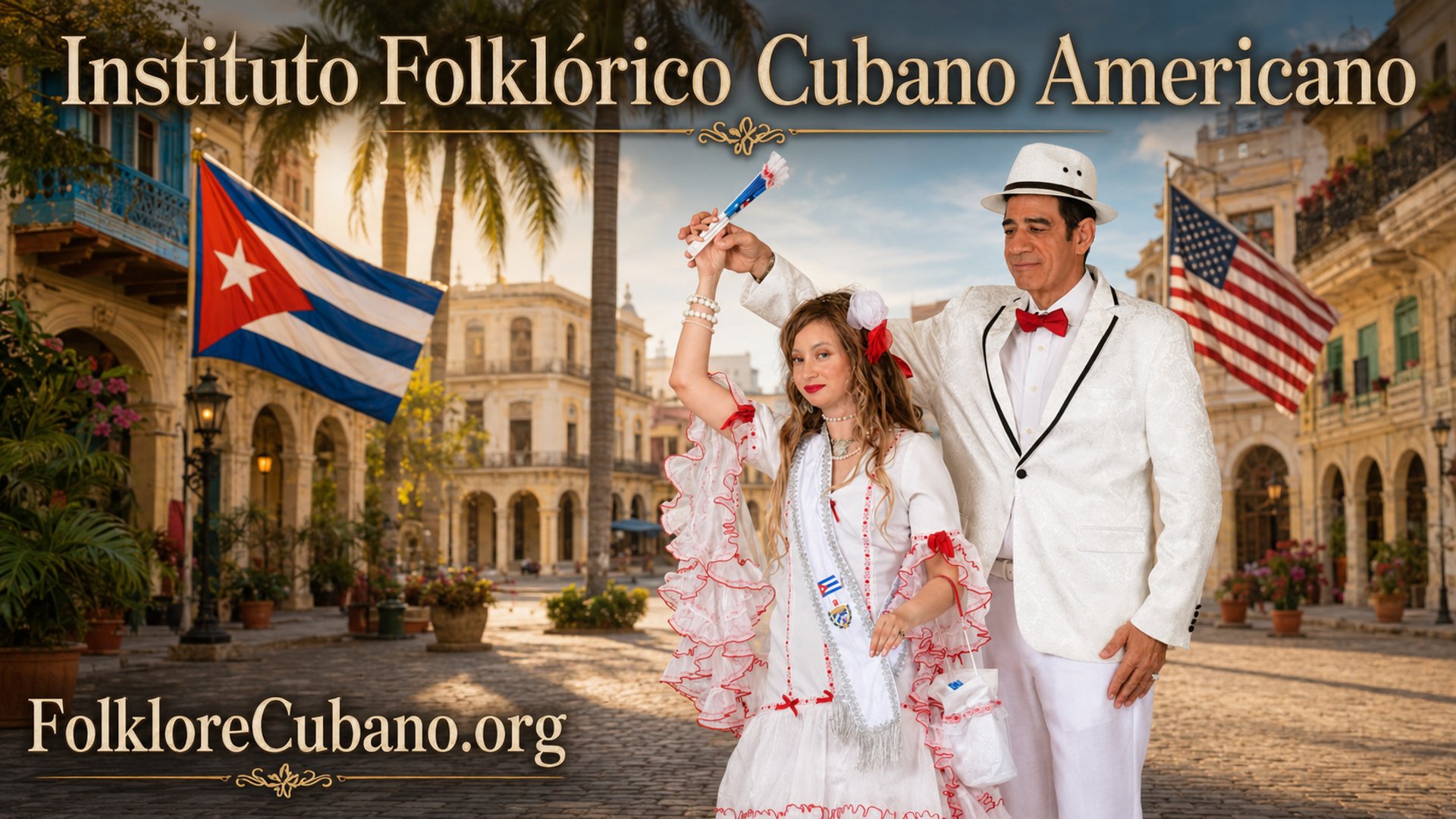
Unlike more explosive or improvisational dances, danzón is known for restraint and elegance. The couple dances with dignity, precision, and close musical attention. The body does not rush. The dancers listen carefully to the music, pausing, turning, marking the rhythm, and moving with a sense of controlled beauty.
This elegance made danzón especially important in Cuban social life. It became a dance of respectability, courtship, family gatherings, civic events, and cultural pride. To dance danzón well was not only to know steps; it was to understand manners, timing, posture, musicality, and social grace.
The Music of Danzón
Danzón music is equally refined. Early danzón was often performed by wind ensembles known as orquestas típicas, which included instruments such as clarinet, cornet, trombone, ophicleide or bass instruments, percussion, and timbales. Later, the charanga format became central to danzón, featuring flute, violins, piano, bass, güiro, and timbales.
The music often unfolds in sections, allowing dancers to enter, pause, and respond to changes in the arrangement. The famous paseo, or walking section, gives dancers a moment to rest, promenade, and prepare for the next danced section. This structure reflects the social nature of danzón: it is music for listening, dancing, observing, and participating with dignity.
Danzón and Cuban National Identity
Danzón became more than entertainment. It became a symbol of Cuban identity during a time when the nation was searching for its own voice. In the 19th century, Cuba was still shaped by colonial realities, social divisions, racial mixing, and growing national feeling. Danzón offered a cultural space where Cuban creativity could be heard and seen.
Its beauty lies in its balance. It carries European elegance, African rhythmic influence, and Cuban emotional flavor. It is refined without being cold, disciplined without being lifeless, and formal without losing joy. Through danzón, Cuba created a dance that reflected its own complex cultural soul.
A Living Tradition Worth Preserving
Today, danzón remains one of Cuba’s great cultural treasures. Although it is not as widely practiced among younger generations as it once was, it continues to live through dedicated dancers, musicians, cultural organizations, teachers, and lovers of Cuban heritage.
To preserve danzón is to preserve a key chapter of Cuban folklore. It reminds us that folklore is not only rural, informal, or anonymous. Folklore can also be elegant, urban, composed, choreographed, and deeply connected to national identity.
Danzón teaches patience, respect, musical listening, and cultural pride. It invites us to slow down, stand tall, and remember that beauty can move with dignity.
Why Danzón Still Matters
Danzón matters because it shows how Cuba transformed the traditions it inherited into something original. What began with European dance forms became a Cuban national expression through rhythm, creativity, and social life.
In every measured step, every graceful pause, and every musical phrase, danzón carries the memory of 19th-century Cuba. It is a dance of elegance, history, and identity — a living reminder that Cuban folklore is not only heard in the drum or sung in the street, but also felt in the quiet dignity of a couple moving together across the floor.
Related Hashtags:
#Danzon #Danzón #FolkloreCubano #CubanFolklore #CulturaCubana #CubanCulture #CubanDance #DanzaCubana #MusicaCubana #CubanMusic #MiguelFailde #LasAlturasDeSimpson #MatanzasCuba #CubanHistory #CubanHeritage #InstitutoFolkloricoCubanoAmericano