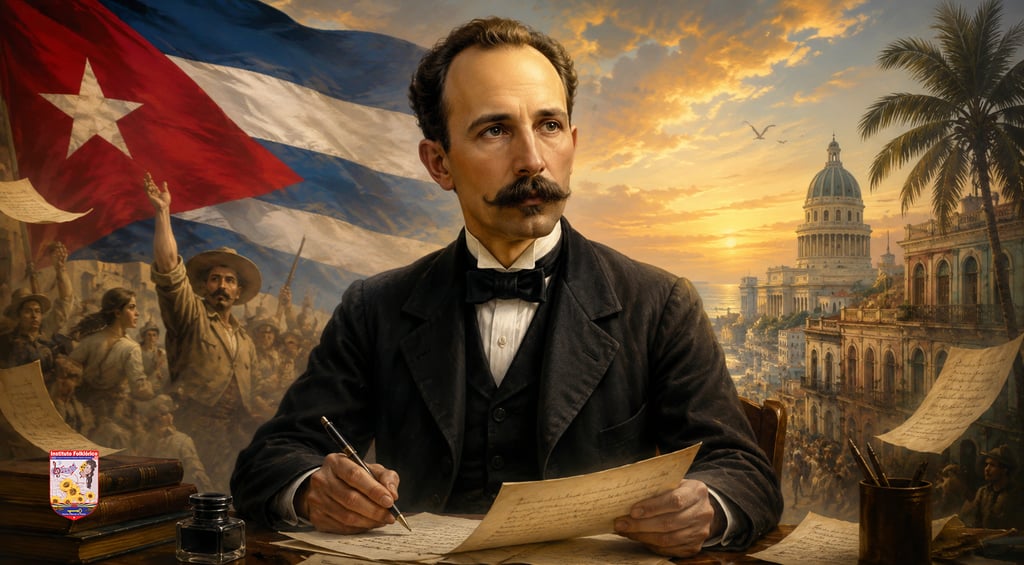
José Martí: The Poet Who Became the Voice of Cuba
Discover the life and legacy of José Martí, the Cuban poet, writer, and patriot whose powerful words helped inspire Cuba’s dream of freedom and national identity.
Instituto Folklórico Cubano Americano
6/22/20222 min read
José Martí: The Poet Who Became the Voice of Cuba
Exploring how Martí’s words inspired a nation’s dream of freedom.
José Martí was more than a poet. He was a writer, teacher, journalist, philosopher, and revolutionary thinker whose words helped shape the soul of Cuba. Born in Havana on January 28, 1853, Martí grew up during a time when Cuba was still under Spanish colonial rule. From a young age, he showed a deep love for justice, human dignity, and the right of people to live freely. His writings were not only beautiful; they carried a purpose. Through poetry, essays, letters, and speeches, Martí gave voice to the hopes of a people who longed for independence.
Martí believed that words had power. He used them to awaken hearts, unite communities, and defend the cause of liberty. His poetry expressed love for nature, family, childhood, and country, but it also revealed the pain of exile and the sacrifices required for freedom. Works such as Versos Sencillos showed his ability to write with simplicity, elegance, and emotional truth. Many of his verses became part of Cuban cultural memory, reminding generations that beauty and patriotism could live together in the same line of poetry.
Throughout his life, Martí spent many years away from Cuba, living in places such as Spain, Mexico, Guatemala, Venezuela, and the United States. Yet exile did not weaken his love for his homeland. Instead, it strengthened his mission. From abroad, he wrote passionately about Cuba’s future and worked tirelessly to organize support for independence. He understood that freedom required more than weapons; it required unity, education, moral courage, and a shared national vision.
In New York, Martí became a major voice for Cuban independence. He wrote articles, gave speeches, and helped bring together different groups who supported Cuba’s liberation. His message was clear: Cuba deserved to be free, but that freedom had to be built on justice, dignity, and respect for all people. Martí dreamed of a republic “with all and for the good of all,” a phrase that continues to express one of his most important ideals.
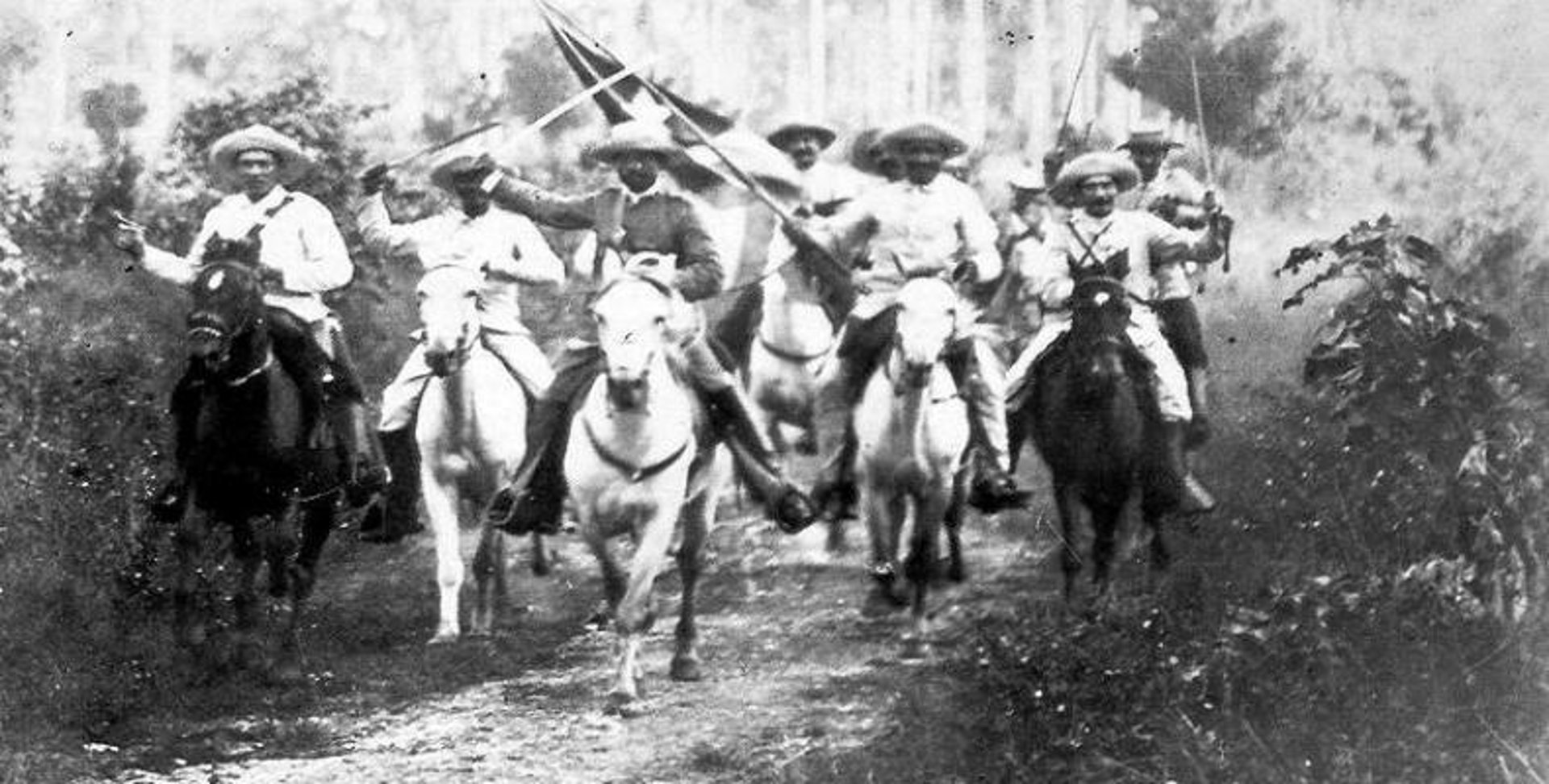
José Martí died on May 19, 1895, at Dos Ríos, shortly after returning to Cuba to join the struggle for independence. Though his life ended at only 42 years old, his voice never disappeared. His writings continued to inspire Cubans and people throughout Latin America. Today, Martí is remembered as Cuba’s National Hero, not only because he fought for freedom, but because he taught that true freedom begins in the conscience, in education, in compassion, and in love for one’s people.
José Martí became the voice of Cuba because he understood the soul of his nation. He wrote with tenderness, courage, and moral clarity. His words helped transform a dream into a movement, and his legacy continues to remind us that poetry can inspire history, that ideas can move nations, and that the love of freedom can live forever in the written word.
Related Hashtags:
#JoseMarti #JoséMartí #CubanHistory #CubanCulture #CubaLibre #CubanIndependence #LatinAmericanHistory #CubanPoet #VersosSencillos #OurAmerica #NuestraAmerica #CubanHeritage #FolkloreCubano #InstitutoFolkloricoCubanoAmericano #MaestroBobbyRamirez