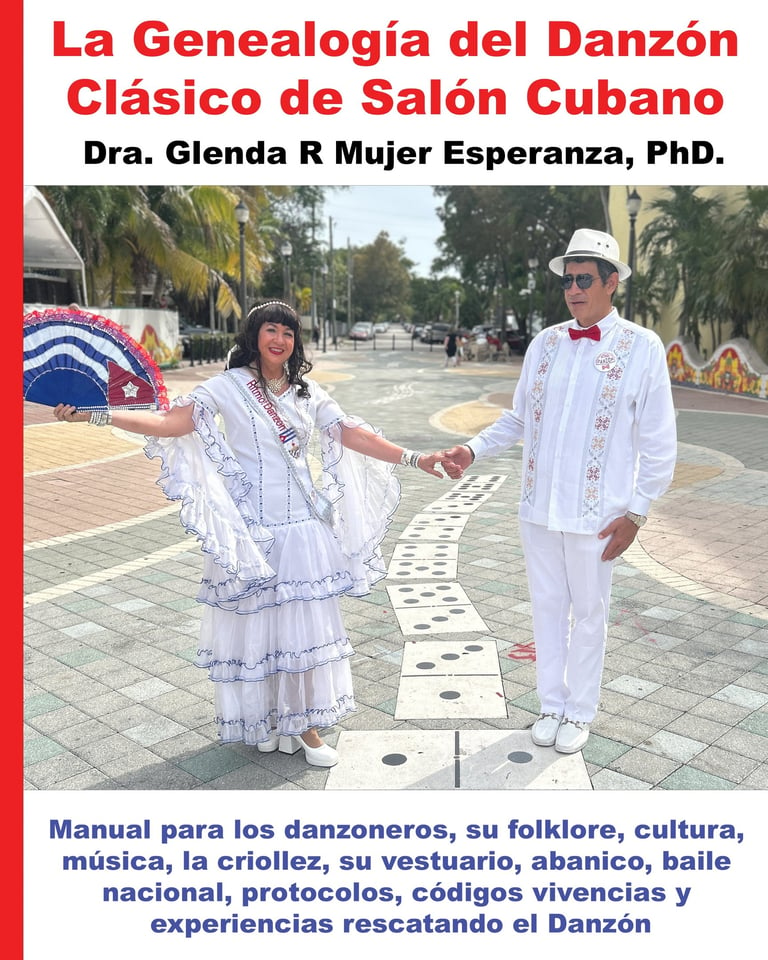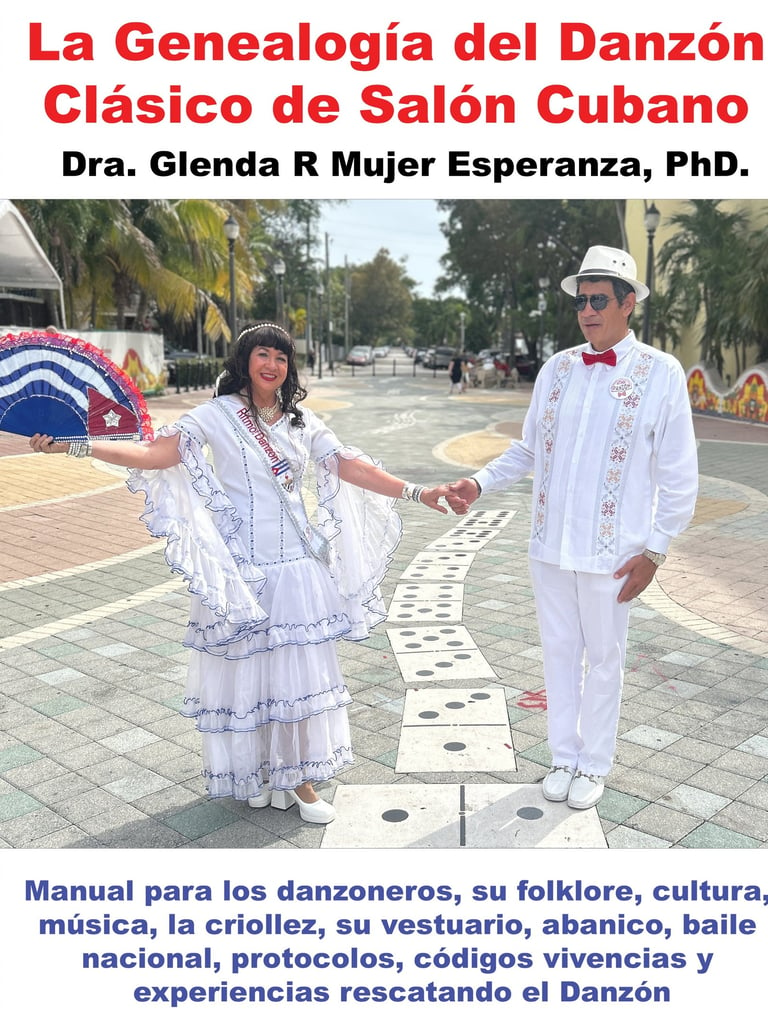
Matanzas - The Cradle of Danzón and Afro-Cuban Tradition
Explore why Matanzas became one of Cuba’s most important cultural centers for danzón, rumba, cabildos, sacred drumming, and Afro-Cuban tradition.
Instituto Folklórico Cubano Americano
8/30/20263 min read
Matanzas - The Cradle of Danzón and Afro-Cuban Tradition
Why Matanzas became one of Cuba’s most important centers for danzón, rumba, cabildos, and sacred drumming.
A City of Deep Cultural Roots
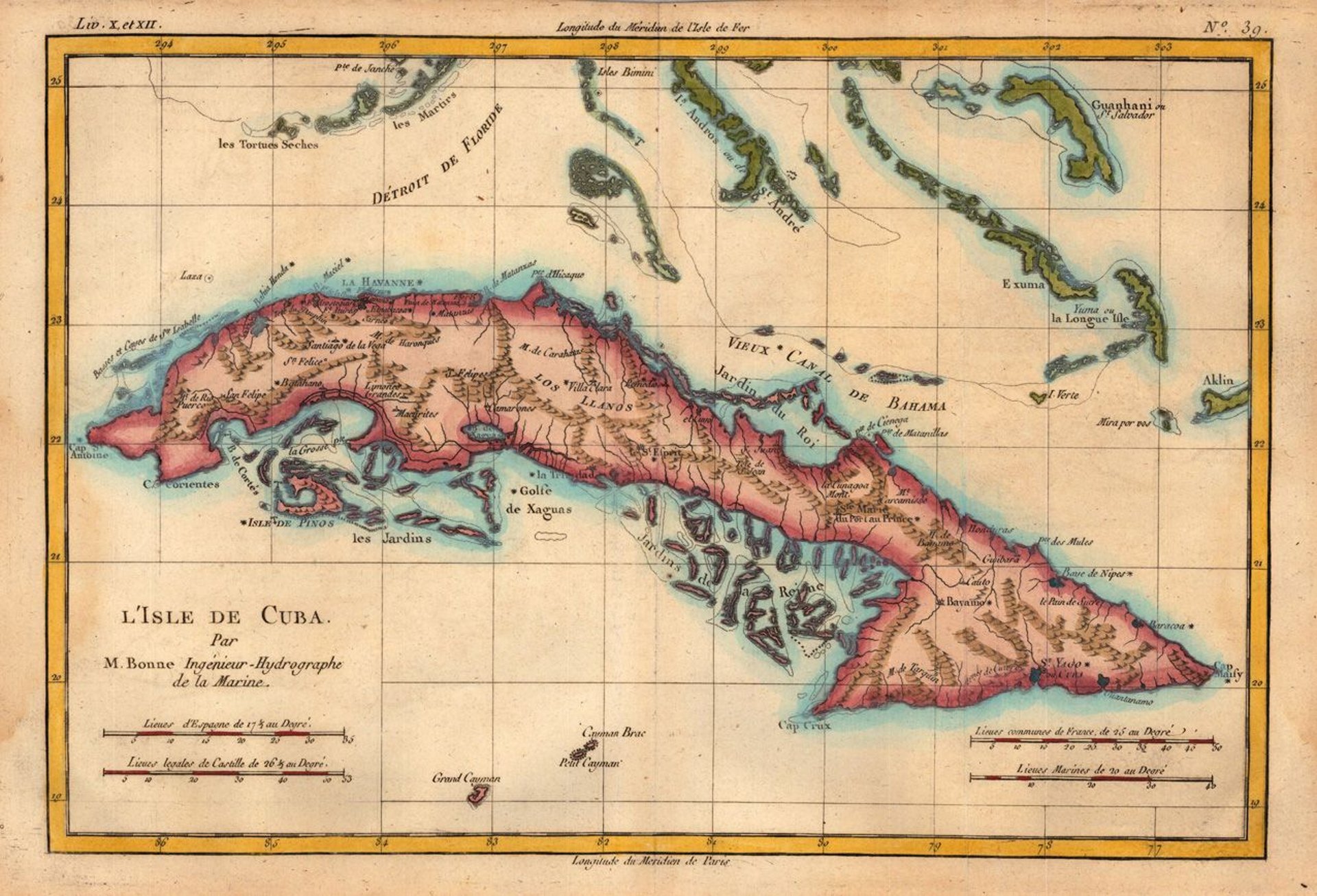
Matanzas holds a special place in the history of Cuban folklore. Located on Cuba’s northern coast, not far from Havana, the city became one of the island’s most important cultural centers during the 19th century. Its port, sugar economy, African-descended communities, artistic life, and social institutions helped create a powerful environment where music, dance, poetry, religion, and national identity could grow.
Often called the “Athens of Cuba” for its literary and artistic life, Matanzas was also a sacred ground for popular culture. It was a place where refined salon traditions and profound Afro-Cuban expressions existed side by side. This unique combination helped make Matanzas essential to the development of danzón, rumba, cabildos, and sacred drumming.
The Birthplace of Danzón
Matanzas is most famously remembered as the birthplace of danzón, Cuba’s elegant national dance. In 1879, musician Miguel Failde premiered “Las Alturas de Simpson,” the danzón most often associated with the formal birth of the genre. But danzón did not appear suddenly. It grew from earlier forms such as the contradanza and danza, which had already been transformed by Cuban rhythm, local taste, and social creativity.
In Matanzas, these elements found fertile ground. The city’s musicians, dancers, social clubs, and public gatherings helped shape danzón into a dance of elegance, discipline, and Cuban identity. It became music for the ballroom, but also a symbol of national refinement.
Rumba and the Voice of the People
If danzón represented elegance and social order, rumba represented the pulse of the people. Matanzas became one of the great centers of rumba, especially through Afro-Cuban neighborhoods and working-class communities where percussion, song, dance, and improvisation formed a living tradition.
Rumba carried the strength of African rhythm, the creativity of Cuban expression, and the immediacy of community life. Through styles such as yambú, guaguancó, and columbia, rumba became a way to tell stories, challenge dancers, celebrate identity, and give voice to everyday experience.
In Matanzas, rumba was not merely entertainment. It was a form of cultural memory.
Cabildos and Community Survival
The cabildos de nación played a major role in preserving Afro-Cuban traditions. These mutual aid and cultural societies allowed African-descended communities to maintain languages, rhythms, religious practices, dances, and collective identities while adapting to life in Cuba.
In Matanzas, cabildos helped protect sacred music, drumming traditions, ceremonial knowledge, and community leadership. They created spaces where memory could survive across generations. Through feast days, processions, ceremonies, and gatherings, cabildos became guardians of heritage.
This is one reason Matanzas became such an important center of Afro-Cuban culture. The city did not only produce music; it preserved cultural systems.
Sacred Drumming and Spiritual Tradition
Matanzas is also deeply connected to sacred Afro-Cuban drumming. Religious traditions such as Regla de Ocha, Palo, Abakuá, and other Afro-Cuban practices helped shape the city’s spiritual and musical identity. In these traditions, the drum is not simply an instrument. It is a voice, a messenger, and a vessel of ancestral memory.
Sacred drumming requires discipline, knowledge, respect, and community responsibility. Its rhythms are connected to ritual, song, movement, and spiritual meaning. In Matanzas, these traditions helped form a profound musical language that influenced both sacred and popular Cuban culture.
Where Elegance and Rhythm Meet
What makes Matanzas extraordinary is the way different cultural worlds met there. The city gave Cuba both the formal grace of danzón and the earthy power of rumba. It nourished salon music and sacred drumming, literary refinement and street-level creativity, European-influenced dance and African-rooted rhythm.
This balance reflects one of the deepest truths of Cuban folklore: Cuban culture was formed through encounter. Matanzas became a place where that encounter produced beauty, discipline, spiritual depth, and national expression.
Why Matanzas Still Matters
To understand Cuban folklore, one must understand Matanzas. The city helped shape the sound, movement, and soul of Cuba before the 20th century. Its contributions to danzón, rumba, cabildos, and sacred drumming remain essential to the island’s cultural identity.
Matanzas reminds us that folklore is not only preserved in books or museums. It lives in the drum, the dance floor, the ceremony, the neighborhood, the family, and the memory of a people.
From the elegance of danzón to the power of rumba, Matanzas stands as one of Cuba’s great cultural cradles — a place where rhythm, faith, artistry, and identity came together to help define the Cuban nation.
#Matanzas #Danzon #Danzón #RumbaCubana #AfroCubanCulture #CubanFolklore #FolkloreCubano #CulturaCubana #CubanMusic #CubanDance #MiguelFailde #LasAlturasDeSimpson #Cabildos #SacredDrumming #AfroCubanReligion #CubanHistory #InstitutoFolkloricoCubanoAmericano