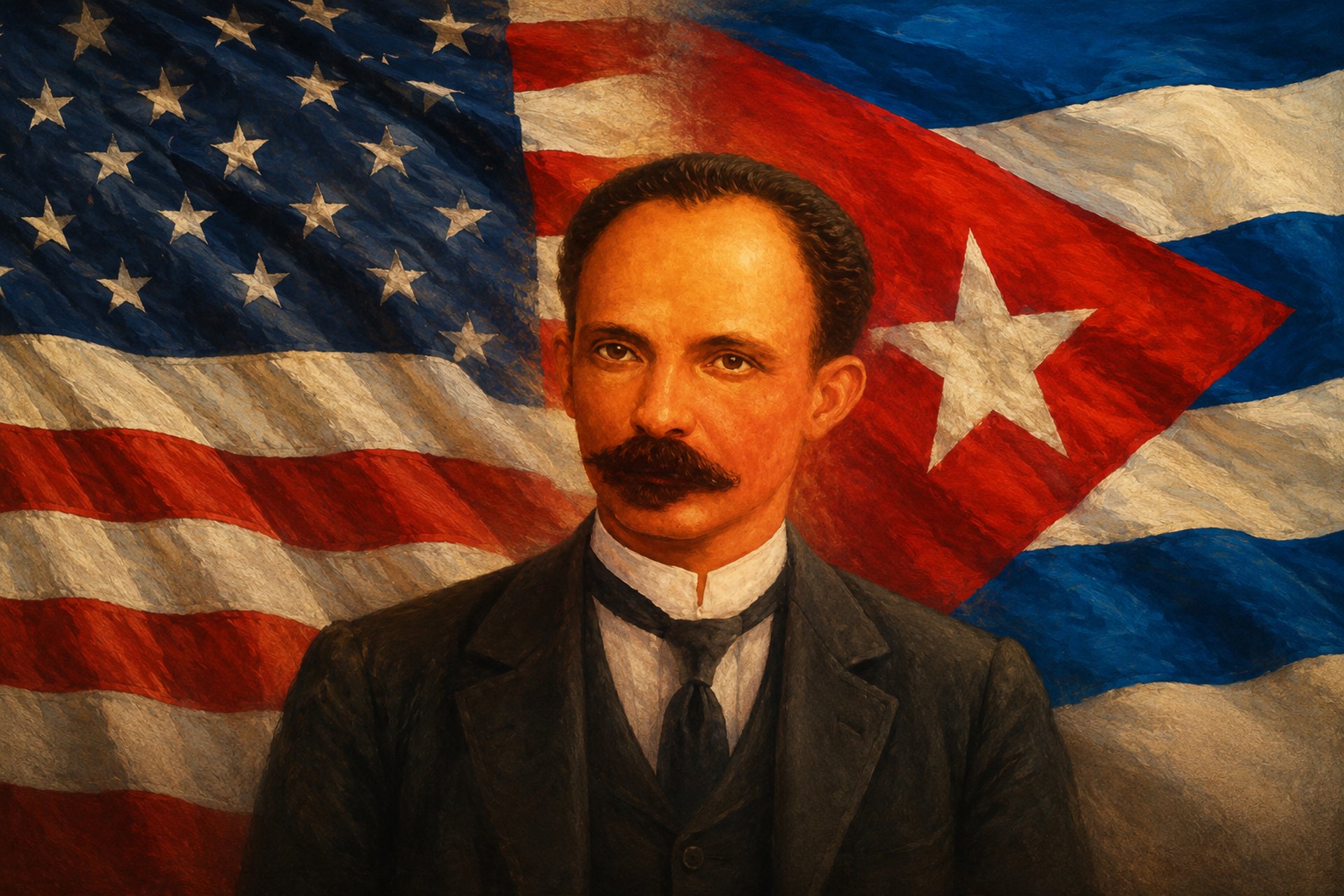
The Early Life of José Martí: A Child of Cuba's Awakening
Discover how José Martí's childhood in Havana shaped his lifelong devotion to justice, education, and freedom, laying the foundation for one of Cuba's greatest cultural and intellectual legacies.
Instituto Folklórico Cubano Americano
9/27/20262 min read

The Early Life of José Martí: A Child of Cuba's Awakening
How Martí's childhood in Havana shaped his love for justice, education, and country
José Martí is remembered as one of Cuba's greatest thinkers, writers, and patriots. Long before becoming a national symbol, however, he was a thoughtful and inquisitive child growing up in a Cuba marked by social inequality and a growing desire for freedom. His early years became the foundation of a life devoted to knowledge, human dignity, and love for his homeland.
Childhood in Colonial Havana
José Julián Martí Pérez was born in Havana on January 28, 1853. The son of humble Spanish parents, he displayed remarkable talent for reading, writing, and drawing from an early age. Havana itself was a vibrant crossroads where Spanish, African, and Creole traditions blended together, creating the rich cultural environment that would later influence Martí's understanding of Cuban identity. Walking through the city's streets, plazas, and markets, he witnessed both the beauty of Cuban culture and the hardships experienced by many of its people.
The Power of Education
One of the most influential figures in Martí's youth was his teacher, Rafael María de Mendive. Recognizing the young student's exceptional abilities, Mendive encouraged his love of literature, independent thought, and moral responsibility. Under his guidance, Martí came to believe that education was not merely about acquiring knowledge—it was the key to forming free, ethical citizens capable of improving society.
A Sense of Justice
As a young boy, Martí observed the realities of slavery and the political tensions that defined nineteenth-century Cuba. These experiences awakened a deep compassion for others and a lasting belief that every human being deserved dignity, liberty, and respect. These ideals would become central themes throughout his poetry, essays, speeches, and letters.
The Childhood That Inspired a Nation
Although Martí later achieved international recognition as a writer and leader of the Cuban independence movement, he never forgot the lessons of his youth. His affection for children was beautifully reflected in The Golden Age (La Edad de Oro), where he encouraged young readers to embrace honesty, curiosity, kindness, and a lifelong love of learning.
An Enduring Legacy
José Martí's childhood reminds us that great leaders begin as children whose dreams are nurtured by caring families, inspiring teachers, and meaningful experiences. His example continues to inspire those who believe that culture, education, and respect for human dignity are essential to building a better society. Understanding Martí's early years helps us appreciate not only the man himself but also an essential chapter of Cuba's historical and cultural heritage, its folklore, where literature, civic values, and national identity remain deeply intertwined.
#CubanFolklore #JoseMarti #CubanHistory #CubanCulture #CulturalHeritage #Education #Havana #CubanIdentity #InstitutoFolkloricoCubanoAmericano #FolkloreCubanoOrg