The Roots of Cuban Folklore: A Nation Born from Many Cultures
Explore the roots of Cuban folklore and how Spanish, African, Indigenous, French-Haitian, and Caribbean influences shaped Cuba’s early cultural identity through music, dance, faith, language, and tradition.
Instituto Folklórico Cubano Americano
8/2/20264 min read
The Roots of Cuban Folklore: A Nation Born from Many Cultures
Exploring how Spanish, African, Indigenous, French-Haitian, and Caribbean influences shaped Cuba’s early cultural identity.
A Culture Formed by Encounter
Cuban folklore was not born from one people, one language, or one tradition. It grew from encounter. Across centuries, Cuba became a meeting place where Indigenous memory, Spanish colonial culture, African spiritual and rhythmic traditions, French-Haitian influences, and wider Caribbean exchanges came together. Out of this complex history, Cuba developed a cultural identity that is rich, musical, spiritual, expressive, and unmistakably its own.
Folklore is the living memory of a people. It includes music, dance, stories, religious practices, festivals, foodways, language, dress, humor, and everyday customs. In Cuba, folklore became one of the clearest ways to understand how different communities survived, adapted, and contributed to the making of the nation.
Indigenous Foundations
Before the arrival of Europeans, Cuba was home to Indigenous peoples, including Taíno and other Arawakan communities. Their presence shaped the earliest layers of Cuban life. Many Indigenous words, foods, tools, agricultural practices, and place names survived into later Cuban culture.
Words such as hamaca, tabaco, yuca, canoa, and barbacoa remind us that Indigenous influence did not disappear completely. Even when colonial violence and disease devastated Indigenous populations, elements of their cultural knowledge remained embedded in the land, language, and daily life of Cuba.
Spanish Influence and Colonial Society
Spanish colonization introduced Catholicism, the Spanish language, European instruments, social dances, festivals, architecture, and forms of theater and poetry. Spanish traditions helped shape Cuba’s public life through church celebrations, processions, family customs, and formal social gatherings.
European dances such as the contradanza entered Cuban society through colonial salons and urban cultural spaces. Over time, these forms were transformed by Cuban rhythm, local creativity, and the influence of African-descended musicians and dancers. This process would later help prepare the way for important Cuban expressions such as the danza, habanera, and danzón.
African Rhythm, Faith, and Memory
African influence is one of the strongest foundations of Cuban folklore. Enslaved Africans brought to Cuba came from many regions and cultural backgrounds, including Yoruba, Congo, Carabalí, Arará, and others. They carried with them spiritual systems, drum languages, songs, dances, oral traditions, healing practices, and community structures.
These traditions survived under difficult conditions because they were carried in the body, the voice, the drum, and the sacred gathering. African-derived traditions helped shape Cuban music, dance, religion, and identity in profound ways. Rhythmic complexity, call-and-response singing, sacred drumming, ceremonial dance, and communal participation became central features of Cuban culture.
Religious traditions such as Regla de Ocha, Palo, Abakuá, and other Afro-Cuban practices preserved ancestral memory while adapting to life in Cuba. Through music and ceremony, these communities protected identity and created new cultural forms that continue to influence Cuban folklore today.
French-Haitian Influence in Eastern Cuba
Another important root of Cuban folklore came through French-Haitian migration, especially after the upheavals in Saint-Domingue, present-day Haiti, in the late 18th and early 19th centuries. Many French colonists, free people of color, and enslaved Africans of Haitian background arrived in eastern Cuba, especially in Santiago de Cuba, Guantánamo, and nearby coffee-growing regions.
This migration brought new musical, linguistic, religious, and dance traditions. One of the most remarkable results was Tumba Francesa, a tradition that blends African drumming, French courtly dance, Haitian Creole memory, and Cuban creativity. It stands as a powerful example of how displaced communities carried their heritage across borders and reshaped it in Cuban soil.
The Caribbean as a Cultural Highway
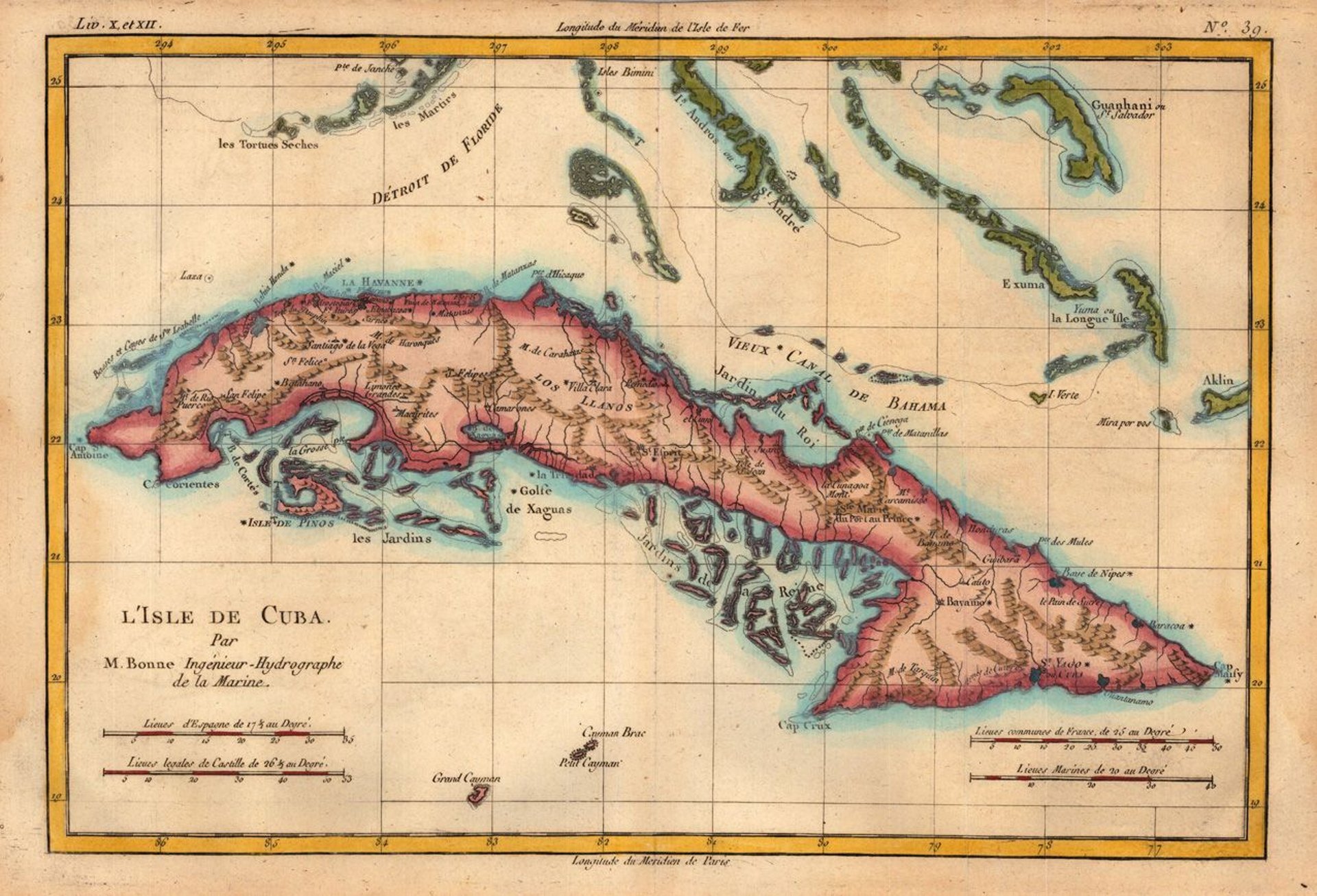
Cuba did not develop in isolation. The Caribbean Sea connected the island to Haiti, Jamaica, Puerto Rico, the Dominican Republic, Mexico, New Orleans, and other ports of the Americas. Sailors, merchants, workers, musicians, soldiers, and migrants carried songs, instruments, rhythms, recipes, stories, and religious practices from place to place.
Because of this movement, Cuban folklore became part of a wider Caribbean conversation. The island absorbed outside influences, transformed them, and then sent Cuban music and dance back into the world. This exchange helped make Cuba one of the most influential cultural centers in the Caribbean.
Transculturation: Becoming Cuban
One of the most important ways to understand Cuban folklore is through the idea of cultural transformation. Cuba did not simply copy Spain, Africa, France, Haiti, or the Caribbean. Instead, these influences met, struggled, blended, adapted, and became something new.
This is why Cuban folklore is so powerful. It carries many roots, but it speaks with a Cuban voice. The drum, the guitar, the maracas, the güiro, the dance step, the procession, the carnival, the altar, the street song, and the ballroom all became part of a shared cultural language.
A Living Heritage
The roots of Cuban folklore are not only part of the past. They continue to live in music, dance, festivals, religious ceremonies, family traditions, popular sayings, and cultural memory. Every generation adds something new while carrying something old.
To study Cuban folklore is to study the birth of a nation through culture. It shows how people from many backgrounds created meaning, beauty, and identity under difficult historical conditions. Cuba was born from many cultures, but through creativity, resilience, and memory, those cultures became part of one living heritage.
Cuban folklore reminds us that identity is not made in silence. It is sung, danced, prayed, cooked, spoken, remembered, and passed from one generation to the next.
Related Hashtags:
#CubanFolklore #FolkloreCubano #CulturaCubana #CubanCulture #AfroCubanCulture #IndigenousCuba #SpanishCuba #FrenchHaitianCuba #CaribbeanCulture #CubanHistory #CubanMusic #CubanDance #Danzon #TumbaFrancesa #AfroCaribbeanCulture #InstitutoFolkloricoCubanoAmericano